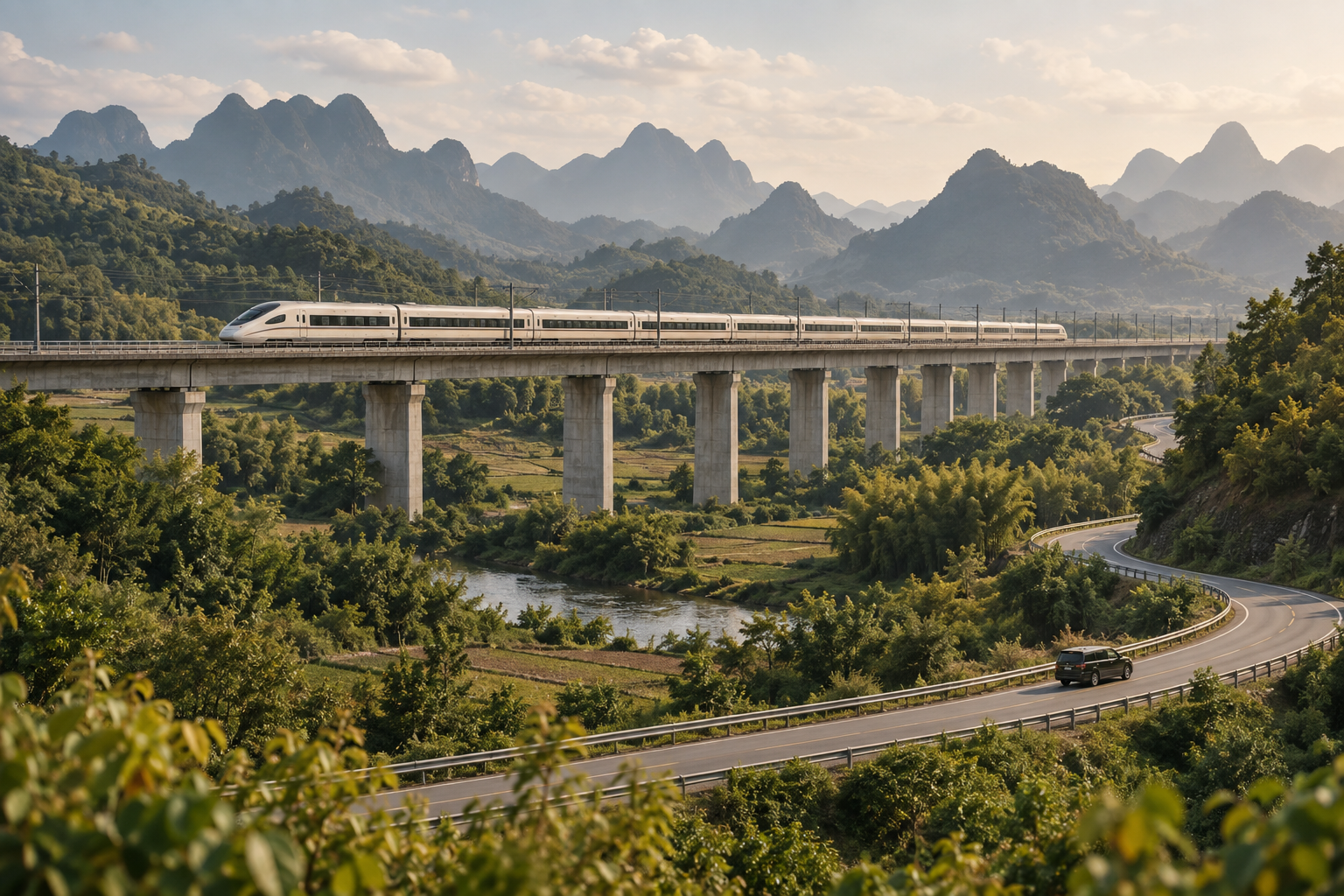
China is a vast country, but travelling between its major destinations can be surprisingly efficient.
High-speed trains connect many important cities, domestic flights cover longer distances and private transfers make arrivals, departures and countryside journeys more comfortable.
The best itinerary normally uses a combination rather than relying on one type of transport.
Choosing the right transport
Consider more than the scheduled journey time.
A train may take longer than a flight in the timetable but still be more convenient after airport transfers, check-in and security are included. A private vehicle may cost more than public transport but save valuable time when travelling with children or luggage.
The right choice depends on:
- Distance between destinations
- Location of stations and airports
- Available departure times
- Group size
- Amount of luggage
- Mobility requirements
- Preferred comfort and pace
A well-designed journey also avoids unnecessary changes between hotels, stations and airports.
High-speed trains
High-speed rail is one of the most rewarding ways to travel between Chinese cities.
Stations are often well connected to urban transport, seating is comfortable and travelling by rail provides a view of changing cities and landscapes.
High-speed trains are especially useful for routes such as:
- Beijing to Xi’an
- Beijing to Shanghai
- Shanghai to nearby Jiangnan destinations
- Chengdu to surrounding regional cities
- Guilin to other cities in southern China
Train schedules vary, so the most suitable service depends on your dates and route.
Booking train tickets
China’s railway system uses real-name ticketing. Foreign travellers can book using passport information through China Railway’s official 12306 service or an established travel-booking platform.
Enter the passenger’s name, nationality and passport number exactly as shown in the passport.
Before travelling:
- Check the complete station name
- Confirm the departure date and time
- Carry the original passport used for booking
- Save the booking confirmation offline
- Arrive early enough for security and identity checks
- Keep the platform or gate information available
Large cities may have several railway stations. Do not assume that every train departs from the station closest to your hotel.
What to expect at a railway station
Chinese high-speed railway stations can be large and busy.
Passengers normally pass through security before entering the waiting area. The departure gate opens before boarding and closes shortly before the train leaves.
Your train number, departure time and waiting area are displayed inside the station. English is available on many major signs, but having the train details saved on your phone makes navigation easier.
Keep your passport accessible throughout the process.
On the train, store smaller bags above the seat and larger luggage in the designated areas where available. Keep passports, money, medication and electronics with you.
Domestic flights
Flights are useful when destinations are far apart or when rail schedules do not suit the itinerary.
They are often considered for routes such as:
- Beijing to Chengdu
- Beijing to Guilin
- Shanghai to Guilin
- Chengdu to Shanghai
- Connections to more distant regions
When comparing a flight with a train, include the time needed to reach the airport, check in, pass security, collect luggage and transfer to the next hotel.
An apparently short flight can occupy much of the day.
Allow enough time for airports
Major Chinese cities can have more than one airport, sometimes located far from the city centre.
Check the full airport name and terminal before departure. Arrange the hotel transfer according to the actual flight rather than the city name alone.
Domestic flight schedules can be affected by weather and air-traffic conditions. Avoid placing an important fixed appointment immediately after arrival.
Carry essential medication, identification and one change of clothing in your cabin bag when practical.
Private airport and station transfers
A private transfer removes much of the uncertainty from arrival and departure days.
A driver can meet you at the designated point, assist with luggage and take you directly to the hotel. This is particularly useful after a long international flight or at a large railway station.
Private transfers are valuable for:
- Families with children
- Travellers carrying several bags
- Late-night or early-morning arrivals
- Guests with mobility requirements
- First-time visitors
- Groups travelling together
Drivers may not always speak fluent English, so a local travel team should provide the correct meeting information and remain available if plans change.
Private vehicles for sightseeing
Private vehicles are most useful when destinations are outside convenient public-transport networks.
Examples include:
- The Great Wall outside Beijing
- The Terracotta Warriors outside central Xi’an
- Countryside around Yangshuo
- Villages and viewpoints around Longji
- Day trips beyond Chengdu
- Rural markets and smaller communities
A private vehicle gives the itinerary more flexibility. Departure times, rest stops and sightseeing duration can be adjusted around the group.
This does not mean spending every day in a car. The most enjoyable itineraries combine private transport with walking, trains and occasional free time.
Metro systems and city transport
Metro systems are efficient in Beijing, Shanghai, Chengdu, Xi’an and many other cities.
Single-journey tickets, local transport cards and mobile payment options vary by city. Keep a small amount of Chinese yuan available in case your preferred payment method is not accepted.
Avoid travelling with large luggage during busy commuting periods when possible.
For shorter urban journeys, walking may reveal more of the neighbourhood than moving directly between landmarks.
Taxis and ride-hailing
DiDi and ride-hailing services available through Alipay or WeChat are useful in many cities.
Save your destination in Chinese and check that the pickup point shown in the app matches your actual location.
Before entering a vehicle:
- Compare the registration number with the app
- Confirm the destination
- Keep the journey visible on your phone
- Avoid accepting unsolicited rides from unofficial drivers
- Use the designated pickup area at stations and airports
Hotels can also help arrange licensed taxis.
Travelling with luggage
Pack with repeated transfers in mind.
A medium-sized suitcase is usually easier to manage than several smaller pieces. Railway stations, platforms and hotel entrances may involve walking, escalators or security queues.
Keep the following in your day bag:
- Passport
- Phone and power bank
- Medication
- Payment cards
- Drinking water
- Hotel details
- Transport confirmations
Tell your travel designer in advance if you will carry unusually large luggage, sports equipment, a wheelchair or a child seat.
Travelling with children
Families benefit from fewer transfers and longer stays in each destination.
Allow extra time at stations and airports, and avoid scheduling a major sightseeing programme immediately after a long journey.
Carry snacks, water, wipes, entertainment and a change of clothing where appropriate.
Private transfers can make travel days significantly easier, particularly when arriving late or travelling between countryside hotels.
Accessibility and mobility
Accessibility varies between transport hubs, historic attractions and rural areas.
Major airports and newer railway stations usually provide lifts and assistance services, but walking distances can still be substantial.
Share mobility requirements before tickets are booked. Useful information includes:
- Maximum comfortable walking distance
- Ability to use stairs or escalators
- Wheelchair dimensions
- Need for boarding assistance
- Space required for mobility equipment
- Frequency of rest stops
Transport choices can then be built around the traveller rather than added as an afterthought.
Three practical route examples
Beijing, Xi’an and Shanghai
Use a high-speed train between Beijing and Xi’an. Continue to Shanghai by train or domestic flight depending on schedule, comfort and available time.
Beijing, Chengdu and Shanghai
A flight or suitable train can connect Beijing with Chengdu. Continue to Shanghai by domestic flight or rail according to the overall pace.
Guilin, Yangshuo and Longji
Arrive in Guilin by flight or train, then use private road transfers between the city, Yangshuo countryside and the Longji Rice Terraces.
The best transport plan is the one that supports the journey rather than dominating it.
Build breathing room into travel days
Delays, traffic and unfamiliar stations are easier to manage when the itinerary contains sensible margins.
Avoid booking separate tickets with very short connections. Do not plan an important attraction immediately after a long transfer.
A good travel day should leave time to check in, rest and become familiar with the next destination.
Let the route work as one journey
Transport should connect the experience naturally.
Wandorld considers the complete door-to-door journey: hotel location, station or airport, luggage, travel time, arrival assistance and the programme that follows.
Tell us your dates, preferred destinations and travel style through our Plan My Trip form. We will recommend the most comfortable combination of trains, flights and private transfers.